
We are constantly developing our product. Our scientists are working on it, Watch us, because we may already know more than when you visited us last time.
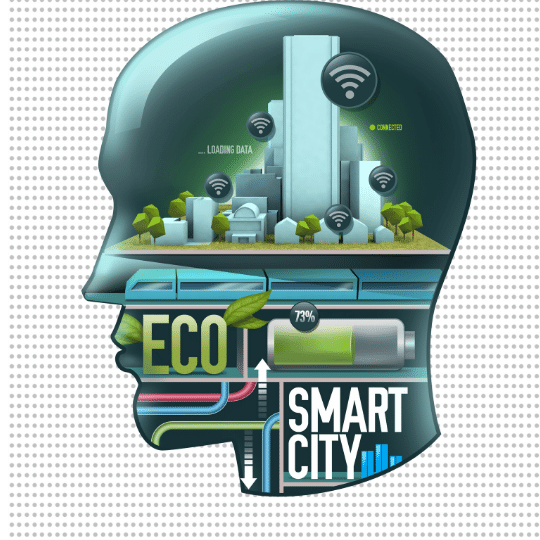
Smart city, or smart city, is an urban planning concept that involves the development of urban areas based on information and communication technologies. Through the introduction of modern digital solutions, urban space should become friendly to residents, businesses, tourists and authorities.
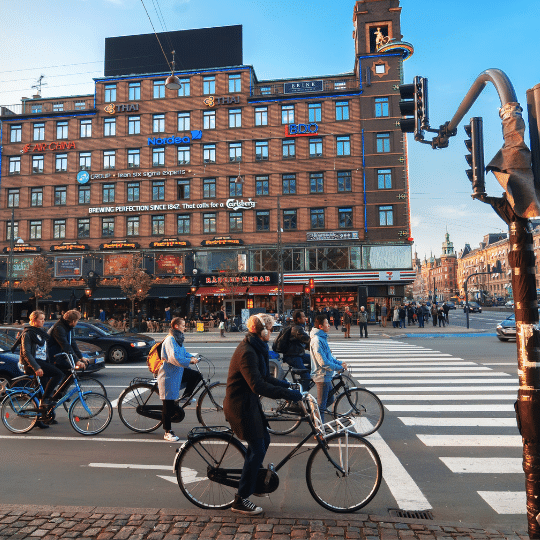
Already, residents of many cities can benefit from smart solutions. Many people have even become accustomed to them and consider them an everyday occurrence – for example, information boards at bus stops that continuously update the nearest timetable. Another such example is smart pedestrian crossings, which improve safety, or apps that allow you to track traffic in the city and plan your trip.
Examples of introducing modern solutions in a smart city:
parking spaces (you can use an app to search for free parking spaces in the city);
use of renewable energy sources;
energy self-sufficient buildings;
apps that allow you to buy tickets,
pay for parking spaces and use services at government offices;
metering of water and energy consumption;
smart city lighting;
e-payments;
citizen budgets;
city bicycles and scooters.
The manifestation of a well-planned smart city is the satisfaction of its residents.
Above all, we should turn our eyes to the Scandinavian countries and nearby Estonia. In the much smaller communities there, it is easier to test and implement certain solutions. On the other hand, we could learn from the experience of Georgia, where a system is in place that allows officials to also identify foreigners based on their ID cards.
We should certainly not copy mindlessly, as not all solutions will be useful to us not only on a national scale, but also in individual cities and municipalities, where some needs may take precedence over others. However, official matters should be standardized throughout the European Union.
When designing, it is crucial to create so-called complete settlements, settlements of short roads that can be walked. Let it be a maximum of a few hundred meters to points of service, shopping, social infrastructure, i.e. kindergartens, schools, but also senior citizens’ homes, i.e. places that at the current level of civilization development we should take into account when designing settlements.
The modern trend to concentrate individual functions in different areas of cities is ineffective and even counterproductive. We lead to social segregation, concentration of certain groups on the basis of their wealth. We concentrate services on one side of the city, and on the other, usually on the outskirts, we build housing estates. This is a negation of the modern smart city.
A smart city should be a patchwork, that is, a collection of smaller settlement organisms equipped with complete services. It should be a 15-minute city. Such an approach will, in turn, properly build interpersonal, neighborly ties, the nurturing of which requires time currently wasted on moving, often in traffic jams.
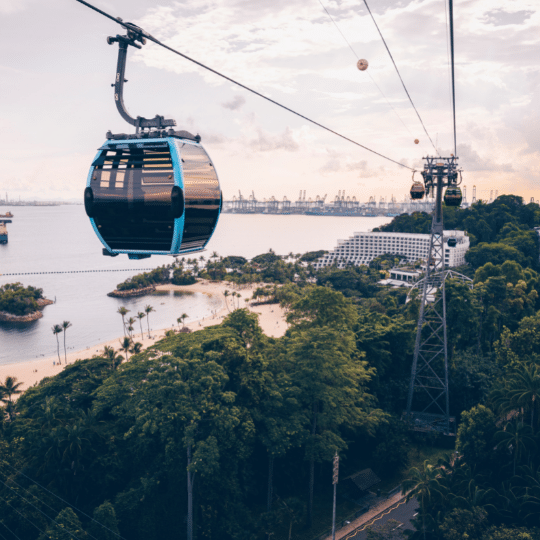
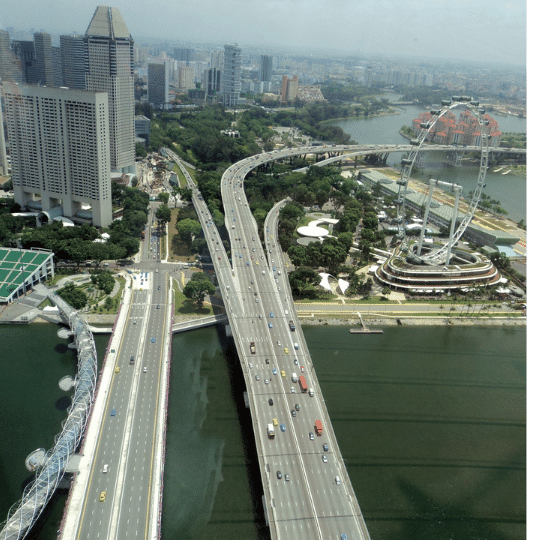
Experts stress the extreme importance of the active participation of an informed public in the planning, creation and management of the city. This is one of the pillars of Smart City development, without which it would not be possible at all. The conscious participation of residents in this process must come from the belief that the creation and development of a smart city is not just a fad and fascination with technology, but a genuine aspiration to improve living conditions in the city. Convincing residents of this is a challenge for any city government. If residents don’t see the benefits for themselves, they won’t get involved. Example: if public transportation, thanks to the solutions used (bus lanes, traffic signal control, traffic information), operates efficiently and quickly, according to the timetables displayed at bus stops, there is a chance that many people will switch to it from private cars. This will benefit the environment and the health of residents.
Already, residents of many cities can benefit from smart solutions. Many people have even already become accustomed to them and consider them an everyday occurrence – for example, information boards at bus stops that continuously update the nearest schedule. Another such example is smart pedestrian crossings that improve safety, or apps that allow you to track traffic in the city and plan your trip.
The idea of a smart city also involves taking care of the environment, human capital and business. A smart city should operate like an efficient organism, whose individual parts work together to ensure harmonious development, which translates into an increase in the functionality of the city and an improvement in the quality of life of its residents.
To effectively manage a smart city, data is needed. Therefore, many sensors, cameras and meters are installed in such a city. They allow monitoring, analyzing and responding in real time to events happening. A smart city is a city of the digital age!